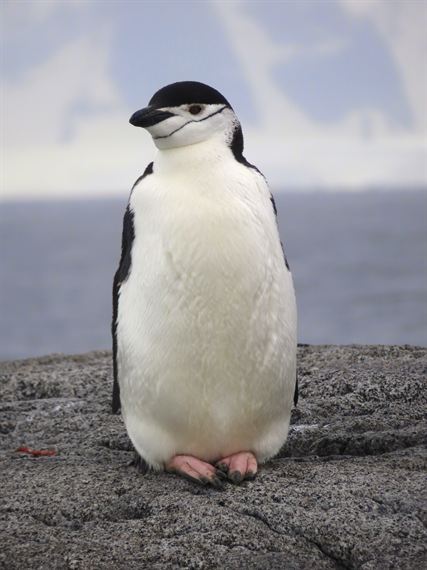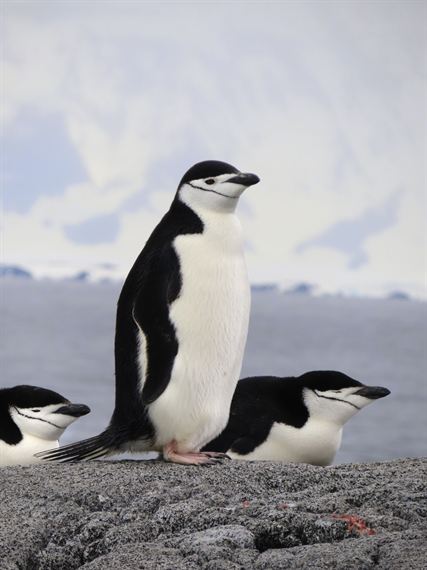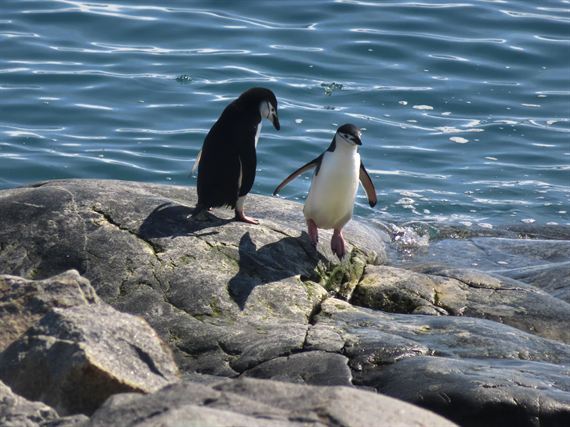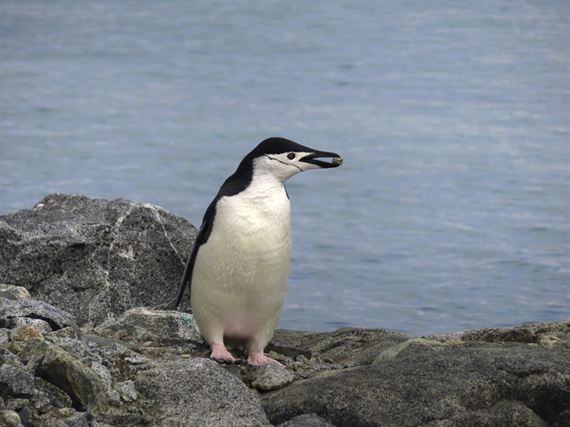
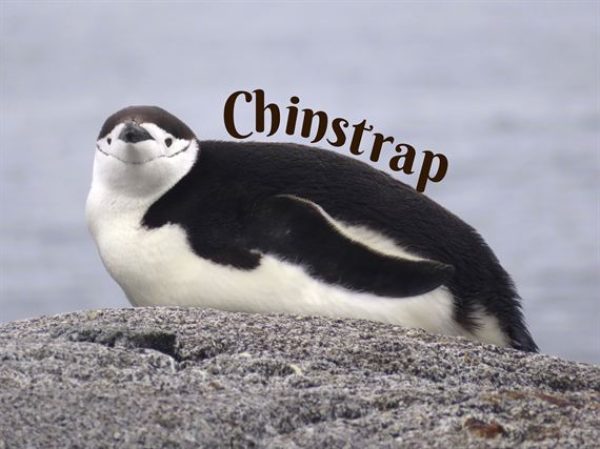

The noble chinstrap penguin lives here in the northern peninsula of Antarctica with the two other brushtail penguin species – Gentoo and Adelie.
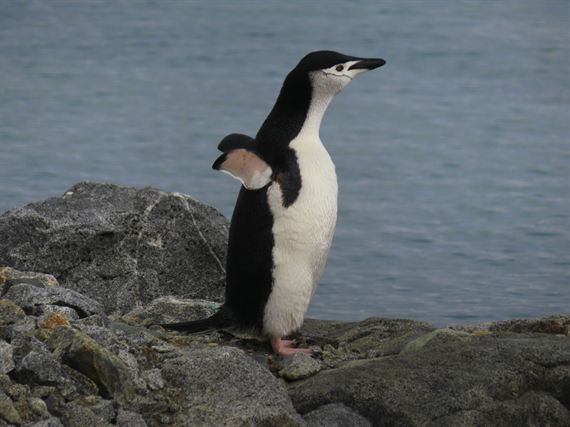
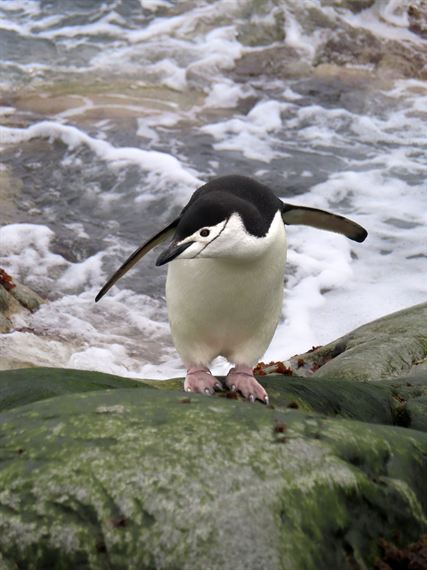
The chinstrap penguin gets it’s name from – you guessed it – the line of feathers outlining their chinny chin chin! This distinct line of feathers make these tiny penguins stand out amongst the penguiny crowd. And as an added bonus, it makes them look like tiny little soldiers wearing a military helmet! Every time I have gotten the chance to see them, I am convinced that they are here on a top secret mission.
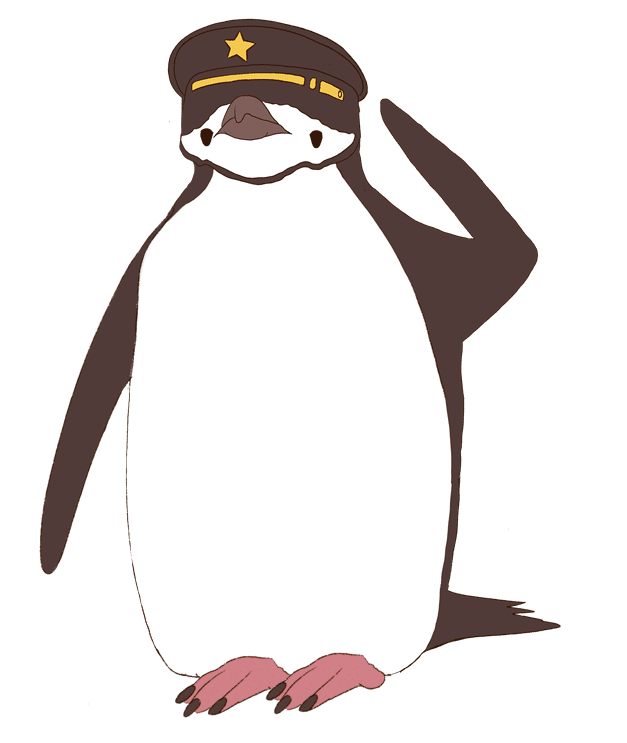
I read that they can be quite noisy in their colonies but when they’re just taking a short breather here at station or on a local island, to me they have rather stoic.
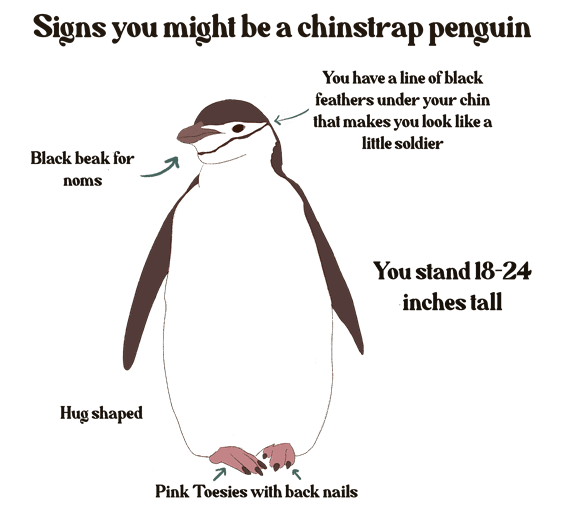
Thanks to the outline of feathers creating a chinstrap, these penguins are pretty easy to spot. But if you still need a little help in identifying them, here’s a little graphic to help get to know your peng-y Friend a little better:
At the beginning of the season, we did not have a lot of wildlife sightings but as summer shined on, they began to pop up more around station! If I’m lucky, I get to see a little chinstrap around station about once a week – sometimes more!
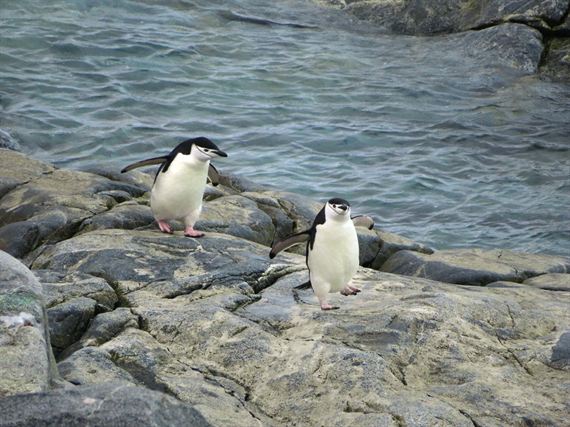
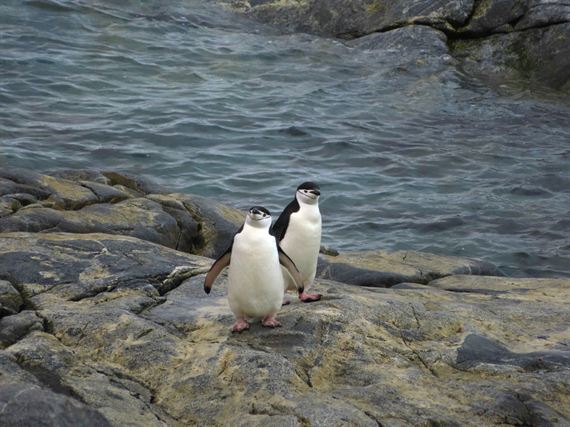
These two wandered near station recently. And what I love about this photo is that it looks like she’s going to square up with me! Giving me one of those “Whatcha looking at?” type vibes. She’s even stacked with backup, just incase I try anything funny.
Chinstraps spend their winters feeding at sea in the northern area avoiding the sea ice. They return to their colonies between October and November for breeding season. Once the female penguins lay their eggs, both parents take turn incubating the eggs while the other penguin goes out and feeds.
When the chick hatches, they stay incubated under the parents for about 28 days. Eventually they will form what’s called creches- where the babies come together and hangout when they no longer need as much protection from their parents. Here they learn some independence with the other chicks. Parents will, however, continue to return to the colony to feed their chicks for another month or so since the baby chicks cannot swim for themselves yet. The chicks are born with soft downy feathers and they are not yet waterproof. Once these feathers molt, they will get their adult feathers and learn to swim on their own.
These chicks return in about three years to repeat the cycle!
Some More Fun Facts About Chinstrap Penguins:
- Chinstraps are night owls and do most of their hunting at night to avoid competing with other penguins.
- These medium sized penguins are 18-24 inches in size and weigh up to 9 pounds.
- They live out in the wild for 15-20 years.
- Chinstrap penguins are abundant penguin species but their presence in the Antarctic region is decreasing due to the warming environment.
- Both male and female chinstraps take turns caring for the new born chicks while the other is out hunting. AND the male penguins are able to produce penguin’s milk for their hatchlings if the females do not return with the food.
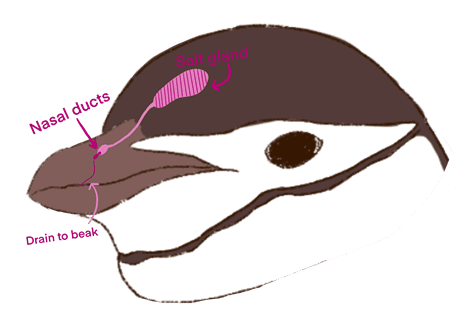
AND LAST BUT NOT LEAST: - Chinstraps are able to drink salt water due to a special salt gland! Located at the top of their scull, it effectively removes salt from their blood. The salt is then excreted in water droplets through their nostrils by sneezing or shaking their cute little heads.
To dive into that a bit more,
To my surprise, all seabirds possess a supraorbital salt gland. Which makes sense when you think about it – all mammals need fresh water to survive but if you’re only surrounded by salt water it creates a huge problem for the species. I’ll be completely honest, I don’t think I’ve ever thought about how seabirds get the water they needed until now.
This gland sits behind the frontal bone in the birds heads just above their nasal ducts. Avian kidneys alone are not efficient enough to get rid off all the excess salt in the blood stream. So the gland absorbs the excess salt through the thin walls of their blood vessels and releases the salt back out to the environment through their nostrils or beak. This allows all seabirds to live on the ocean for months or years without finding a fresh waster source! Which I think is pretty neat!
Now if you’re wondering if the other two brushtail penguins – Adelie & Gentoo Penguins – have this gland, the answer is yes! I just happened to learn about it when researching the Chinstrap penguin and needed to share it with you!